

Child Playground Safety Rules Guide
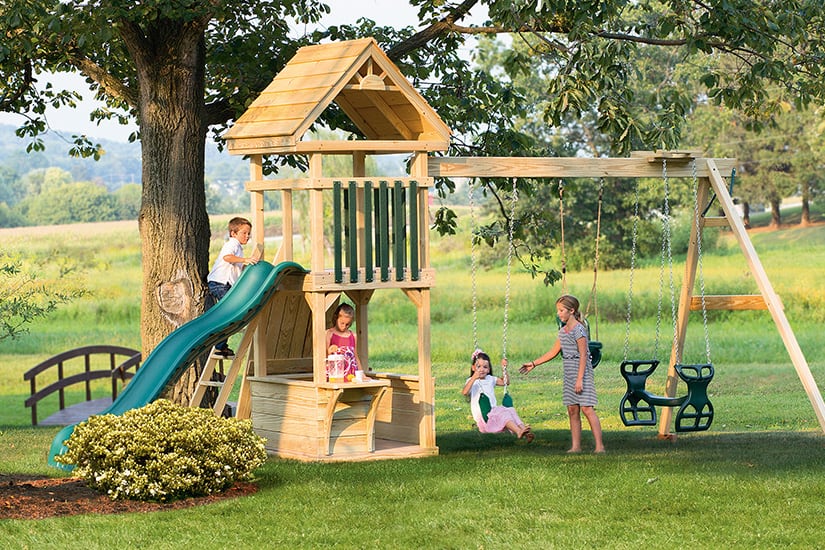
Playgrounds are where childhood memories are made. They are vibrant spaces where children build physical strength, foster creativity, and develop critical social skills.
However, behind every great day of outdoor play is a foundation of safety.
Whether you are a parent visiting a public park, a teacher supervising recess, or a community administrator designing a new recreation area, following established child playground safety rules is essential for preventing injuries.
Understanding basic consumer safety guidelines transforms play spaces into worry-free environments.
Below, we break down the core rules every caregiver should know, how to ensure your play equipment meets modern standards, and how communities can build safe, compliant play areas.
5 Essential Child Playground Safety Rules for Parents and Caregivers
1. Active Supervision Is Non-Negotiable
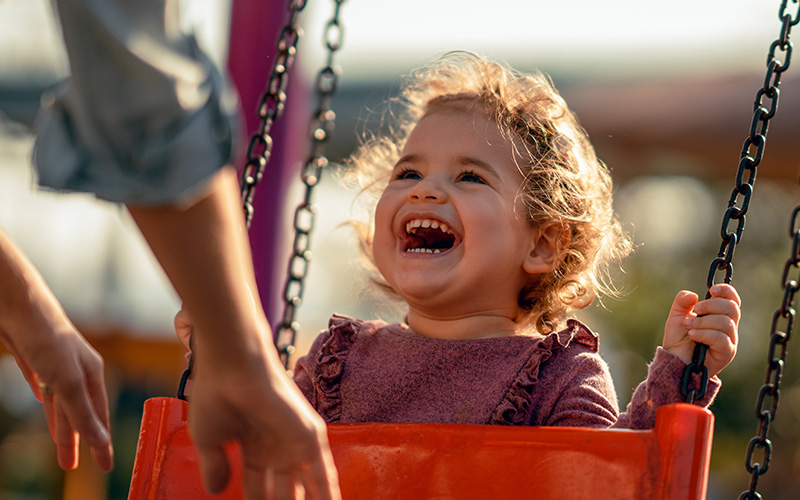
Visual contact is the single most effective way to prevent playground accidents.
Active supervision means keeping your eyes on children at all times rather than relying on passive monitoring from a distance.
Stay alert for risky behaviors, such as climbing up the front of slides, standing on swings, or overcrowding elevated platforms.
2. Ensure Equipment Is Age Appropriate
Playground equipment is designed specifically for different developmental stages. What is safe for a pre-teen can be dangerous for a toddler.
Always ensure toddlers (ages 2 to 5) stay on lower-to-the-ground structures with smaller steps and enclosed handrails, while older children (ages 5 to 12) use more challenging climbing frameworks.
Utilizing age-appropriate structures drastically reduces fall risks and physical strain.
3. Dress for Safety and Protect Bare Skin
Clothing choices play a massive role in playground safety.
Avoid garments with loose drawstrings, necklaces, or bike helmets, as these pose severe strangulation risks if caught on hooks or equipment gaps.
Additionally, test equipment surfaces during hot summer days. Metal slides, dark plastic, and asphalt heat up quickly and can cause thermal burns to exposed bare skin.
4. Check the Surfacing Depth (The “Inches” Rule)
A major percentage of playground injuries result from falls onto hard surfaces like grass, dirt, or concrete.
Shock-absorbing protective surfacing is critical. Loose-fill materials, such as engineered wood fiber or rubber mulch, should be maintained at a uniform depth of 9 to 12 inches beneath and around all play equipment to properly cushion impacts.
5. Know the Concussion Signs
Even in the safest environments, falls happen. Knowing how to respond to an accident is an essential part of safety planning. Caregivers should be familiar with common concussion signs, which include:
- Dizziness or balance issues
- Nausea or vomiting
- Confusion, slurred speech, or delayed responses
- Sensitivity to light or noise
- Sudden changes in mood or behavior
If a child strikes their head and exhibits any of these symptoms, seek immediate medical attention.
Understanding Playground Standards and Safety Guidelines

What Are ASTM Standards and CPSC Best Practices?
Organizations like the U.S. Consumer Product Safety Commission (CPSC) and the American Society for Testing and Materials (ASTM) establish safety and layout standards.
Following these best practices ensures equipment is free from entrapment hazards, sharp edges, and structural vulnerabilities.
When selecting equipment for parks, schools, or backyards, always opt for verified ASTM-compliant playgrounds to guarantee structural integrity.
Why Public and School Playgrounds Must Be Compliant
For institutional settings, safety is both a child welfare priority and a risk management requirement. High-traffic environments demand heavy-duty commercial equipment built to endure continuous use.
Upgrading school playgrounds with certified equipment protects organizations from liability while providing students with a secure, stimulating environment during recess and physical education.
Creating Your Own Safe Play Environment
Choosing High-Quality Play Equipment and Materials
Building a durable play area starts with selecting premium materials that withstand weather and wear.
Heavy-duty vinyl and treated lumber offer smooth surfaces that protect against splinters and rust. Before buying, explore guides on the best wood for playsets to evaluate durability and maintenance needs.
You can also customize your build with safe, commercial-grade playground accessories like heavy-duty swing seats, commercial slides, and sturdy handrails.
Setting Clear Rules with Playground Safety Signage
Rules are most effective when clearly communicated. Installing visible playground safety signage on-site reminds parents, teachers, and children of age recommendations, proper equipment usage, and supervision guidelines.
Clear signage establishes expectations and fosters a shared culture of safety.
Proper Playset Installation and Permitting
Even high-end commercial equipment becomes hazardous if installed or anchored incorrectly. Following professional playset installation procedures ensures structures remain stable during heavy play and severe weather.
Furthermore, commercial projects often require navigating local zoning codes; reviewing resources on commercial playground permitting helps streamline approvals and avoid costly delays.
Bringing Your Safe Playground Vision to Life
Fundraising and Financing Community Playgrounds
Upgrading or building a compliant playground is a rewarding investment in a community’s youth. If budget limitations are holding your school, church, or park district back, organized community fundraising can bridge the financial gap.
Utilizing a step-by-step playground fundraising guide helps teams engage local sponsors, host community events, and secure grants to bring their playground projects to life.
Building a Safer Future for Play
Establishing clear child playground safety rules and maintaining compliant play areas ensures that outdoor play remains fun, engaging, and hazard-free.
From maintaining surfacing depths of several inches to choosing certified, age-appropriate structures, small precautions make a lasting difference in protecting young adventurers.
Ready to transform your park, school, or backyard into a haven for play?
Browse our playground design inspiration gallery to discover customizable, high-quality play structures engineered for maximum fun and uncompromised safety.